
NEWS
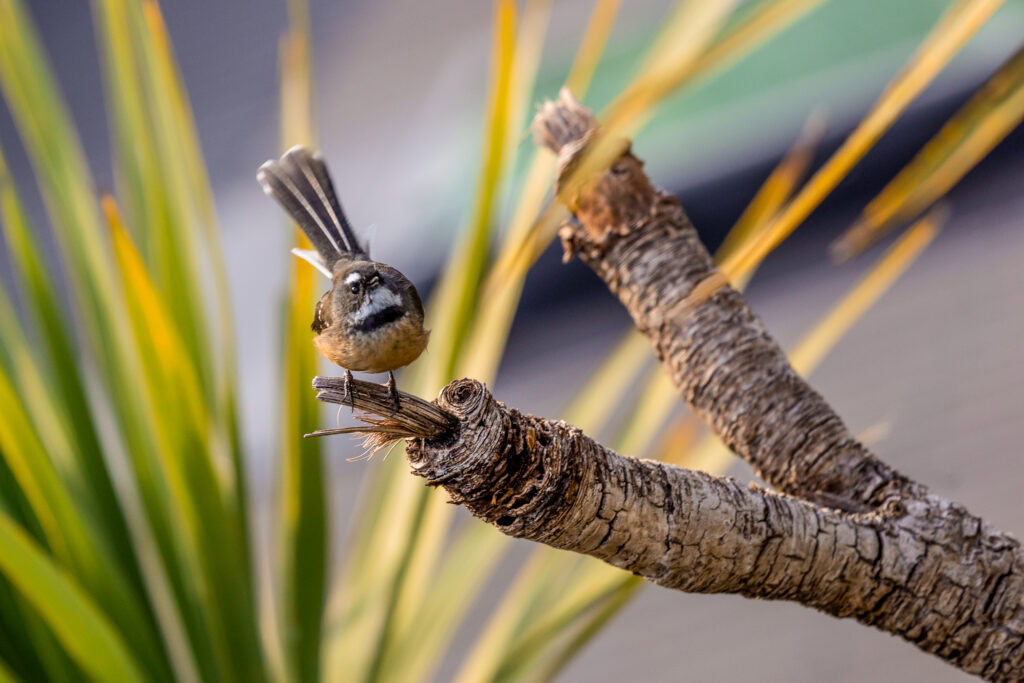
Could Living Springs become an eco-sanctuary? Part 2 Before James Lynch could assess whether an eco-sanctuary at Living Springs was feasible, he had to establish what we actually meant by restoration. It sounds straightforward – plant native trees, control predators, bring back native birds – but ecological restoration is more ambitious than that. Jim defines…
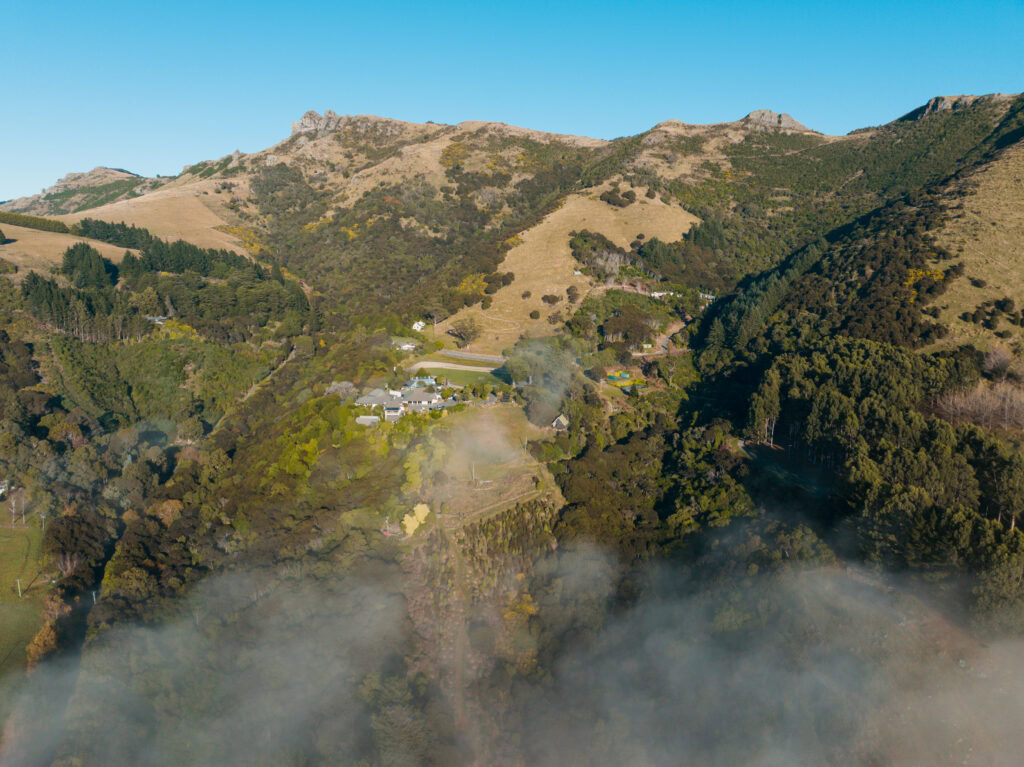
Could Living Springs become an eco-sanctuary? Following the evidence, Part 1 For years, restoration work has been changing the landscape at Living Springs. Former farmland is regenerating and native vegetation is returning. Predator control has expanded beyond Living Springs itself into the surrounding landscape. Thousands of native plants have gone into the ground and volunteers,…

During the second week of September, we carried out our quarterly pest monitoring to assess pest numbers. We were particularly interested to see the effects of our winter toxin programme. We used three monitoring methods: tracking tunnels, chew cards and thermal imaging cameras. The results were mostly positive. Across all three monitoring methods, we recorded…
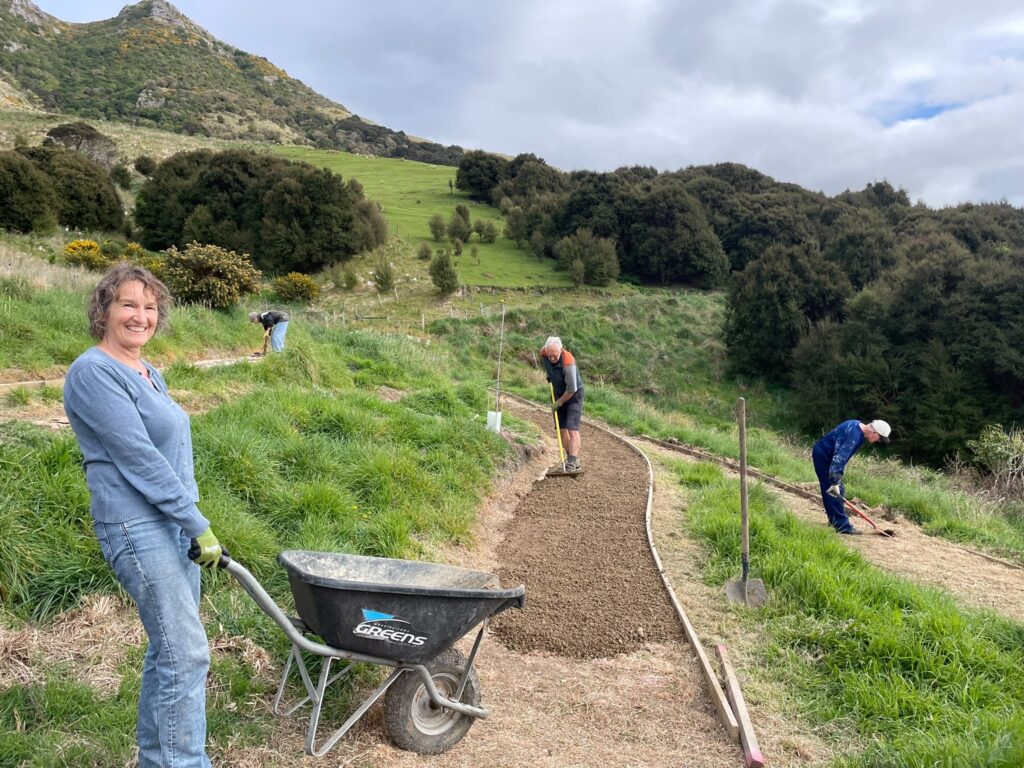
Our fortnightly volunteer sessions are gaining momentum again after a couple of weather-related postponements. Here ‘s an update of what we have been doing. When you are a fortnightly volunteer at Living Springs, you never really know what task you’ll be given until you turn up on the day! One thing for certain, though, is…
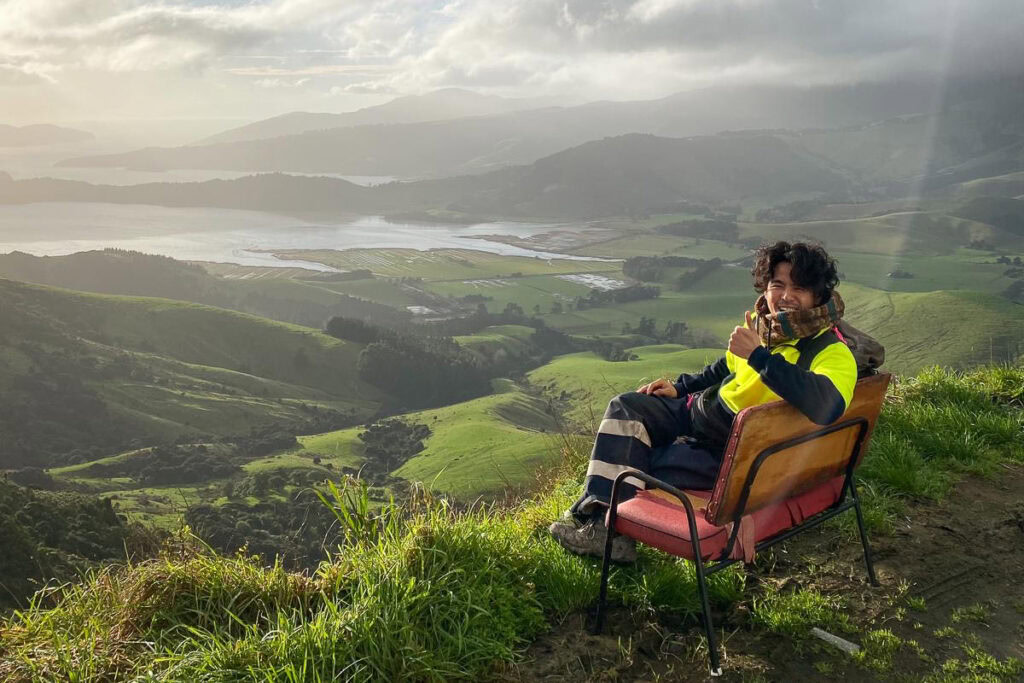
This month we are saying goodbye to a key team member and welcoming in two new people It is with great sadness that we say goodbye to Takuro, who has been part of the Living Springs team for almost four years. Takuro’s hard work can be seen throughout the Living Springs property and across Predator…
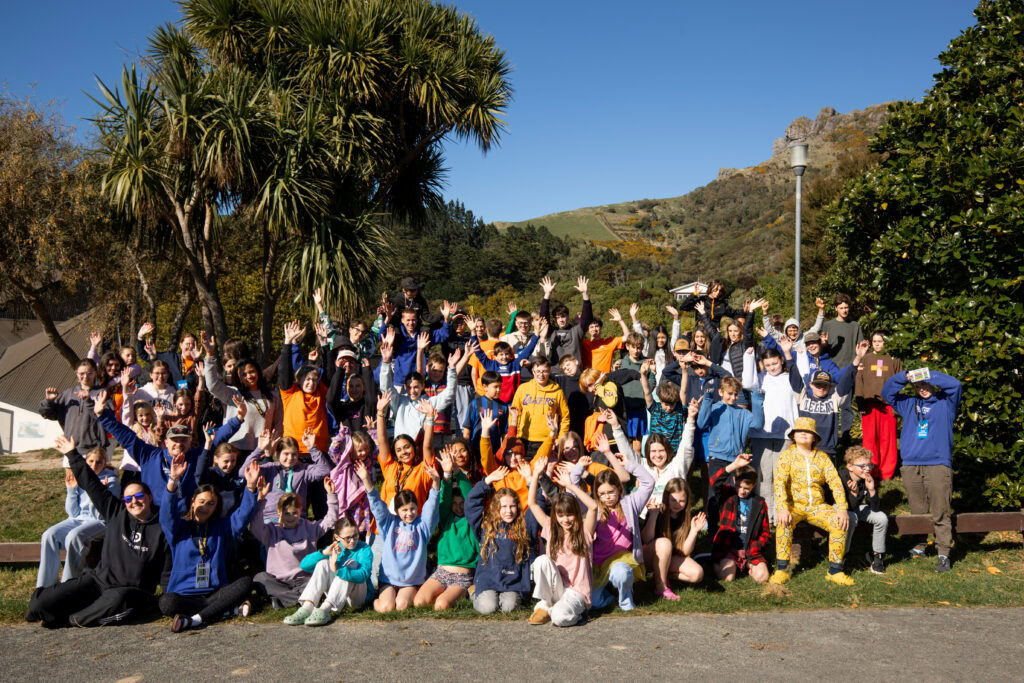
Our October Kids Camp was a blast! Here Bex Crosbie, Camp Director, tells us how each camp has its special moments and one of them, this time, was the monorail… Kids Camp at Living Springs is four nights and five days full of fun, friendship, adventure and plenty of memories! It’s great because, as Director,…
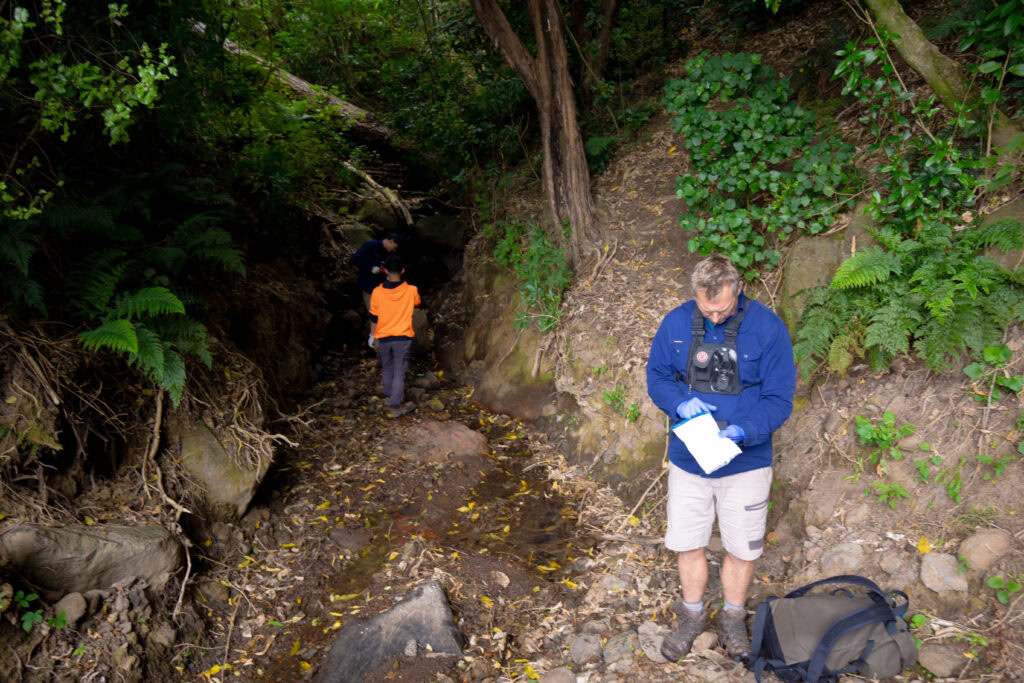
Regular monitoring of beneficial creatures throughout the Living Springs site lets us know how we are doing with our conservation efforts We are fortunate to work alongside Te Kākahu Kahukura (TKK), a voluntary, community-driven initiative that brings together private landowners, agencies, councils and organisations to restore native forests across the southern Port Hills. Their vision…
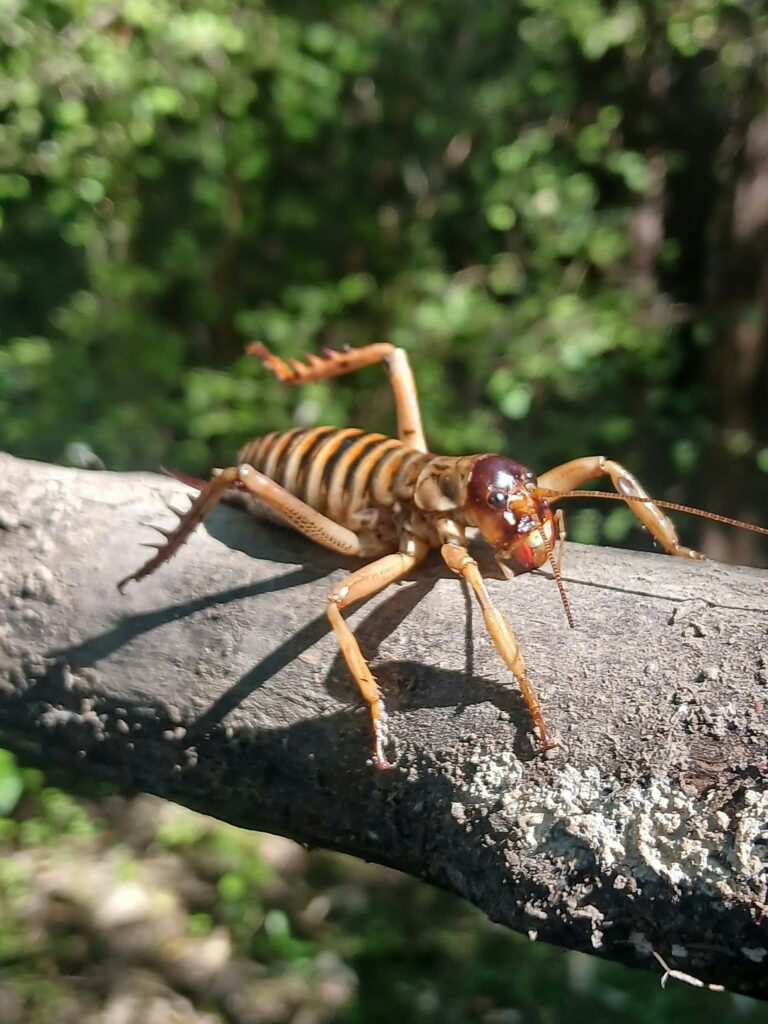
Wētā live a quiet life – hiding out during the day and coming out to feed at night. There are 100 different species in New Zealand, including the tree wētā At Living Springs we commonly see two types of wētā: the Canterbury tree wētā (Hemideina femorata) and the cave wētā (Pleioplectron simplex). Tree wētā,…
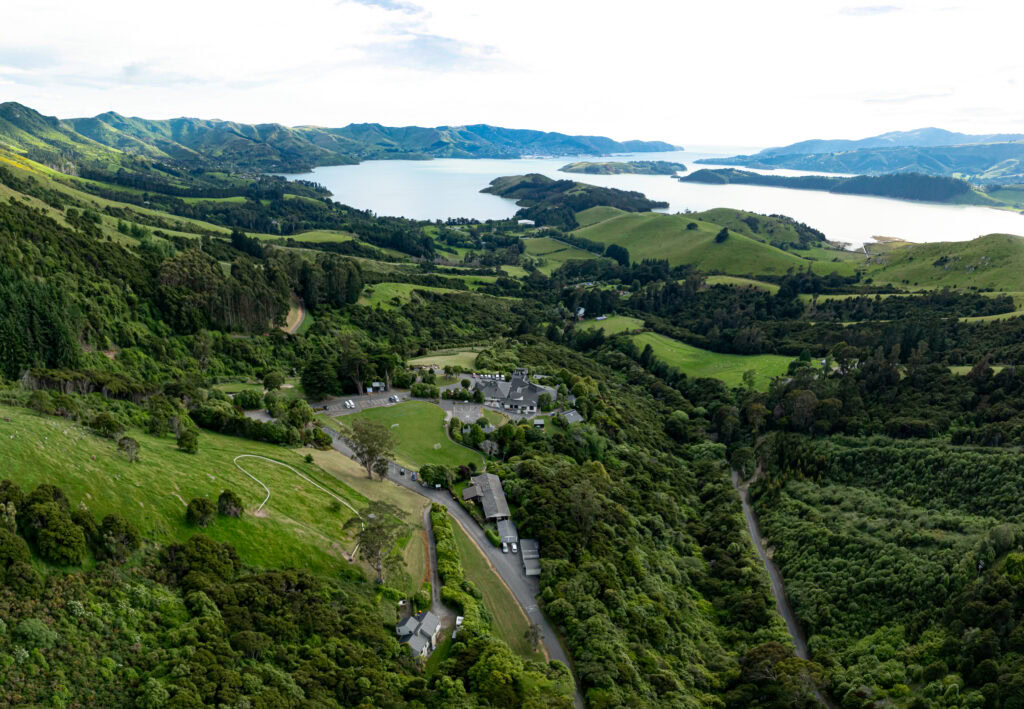
As we head into an El Niño year, the potential fire hazard is front and centre of our minds. We are doing what we can to minimise the risk. At Living Springs, we are preparing for the predicted El Niño weather pattern by prioritising grass clearance around trees planted this year and last year. We…
We’re delighted to share some exciting news! Living Springs has become the first New Zealand recipient of a Chairman’s Award from The Mohamed bin Zayed Species Conservation Fund, recognising the conservation work happening right here in Whakaraupō Lyttelton Harbour. The award supports our work protecting and restoring habitat for Edpercivalia banksiensis, a nationally endangered freshwater…