Reading the Stream: How eDNA Testing Helps Us Understand Our Ecosystem
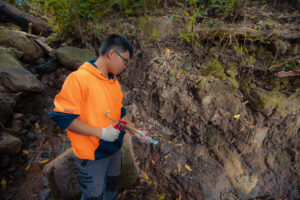
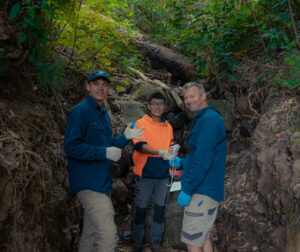
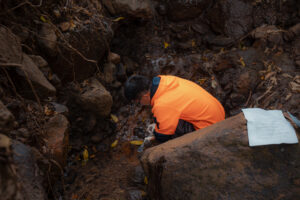
Recently, our environmental team were out in the stream collecting water samples. At first glance, it may have looked like a simple bucket-and-bottle exercise. But what we were collecting holds an extraordinary amount of information about life in our waterways.
This is called eDNA testing.
What is eDNA?
eDNA stands for environmental DNA.
All living organisms shed tiny fragments of genetic material into their surroundings. Fish release DNA through skin cells and waste. Insects leave traces behind as they move through water. Even mammals and birds leave microscopic evidence of their presence.
When we collect a water sample from a stream, we are also collecting these invisible genetic traces. Scientists can then analyse the sample in a laboratory and identify which species have been present in that waterway.
No need to see the animal. No need to catch it. The stream tells the story.
What Can eDNA Testing Detect?
eDNA can reveal:
• Native freshwater fish
• Invertebrates such as kōura and aquatic insects
• Pest fish species
• Threatened or rare species
• Changes in biodiversity over time
It can even detect species that are extremely difficult to spot through traditional monitoring methods.
For Living Springs, this is incredibly powerful. As we work towards being a leading eco-sanctuary, understanding what is present in our waterways helps guide restoration, pest control and habitat protection.
Why Use eDNA?
Traditional biodiversity monitoring can involve netting fish, setting traps or physically observing species. While these methods still have value, they can be labour intensive, disruptive and sometimes limited in what they detect.
eDNA offers several advantages:
• It is non invasive
• It is highly sensitive
• It can detect multiple species from a single sample
• It provides a broad snapshot of ecosystem health
Living Springs spans 400 hectares and works in collaboration with neighbouring landowners through Predator Free Allandale, which now covers 1,780 hectares under active predator management. Tools like eDNA allow us to monitor ecological change at a landscape scale and measure the impact of long term restoration efforts.
Monitoring Our Streams Over the Next Two Years
Thanks to the eDNA kits and funding we have received, we will be able to monitor all of our streams over the next two years. This gives us something incredibly valuable: consistent data over time.
Instead of a one-off snapshot, we can build a picture of change. We can see whether biodiversity increases. We can detect improvements in ecosystem health. We can respond early if pest species appear. And we can strengthen the scientific foundation of our environmental work.
This kind of monitoring supports not only our restoration goals, but also our education programmes. It allows us to share real data with the schools and groups who visit, connecting science, kaitiakitanga and hands-on conservation in a meaningful way.
Thank You to Our Supporters
We are incredibly grateful to Banks Peninsula Conservation Trust for providing us with eDNA kits, and to the Community Waterways Partnership for funding the purchase of additional kits.
Their support enables us to deepen our understanding of the ecosystems we care for and to strengthen restoration efforts across our landscape.
Science, community and conservation working together. That is how we move towards a thriving eco-sanctuary from the mountains to the sea.