
Living Springs becomes first New Zealand recipient of prestigious international conservation award
We’re delighted to share some exciting news! Living Springs has become the first New Zealand recipient of a Chairman’s Award from The Mohamed bin Zayed Species Conservation Fund, recognising the conservation work happening right here in Whakaraupō Lyttelton Harbour.
The award supports our work protecting and restoring habitat for Edpercivalia banksiensis, a nationally endangered freshwater caddisfly found only on Banks Peninsula.
But there’s a rather wonderful story behind how this tiny creature brought international recognition to Living Springs.
A surprising discovery in our streams
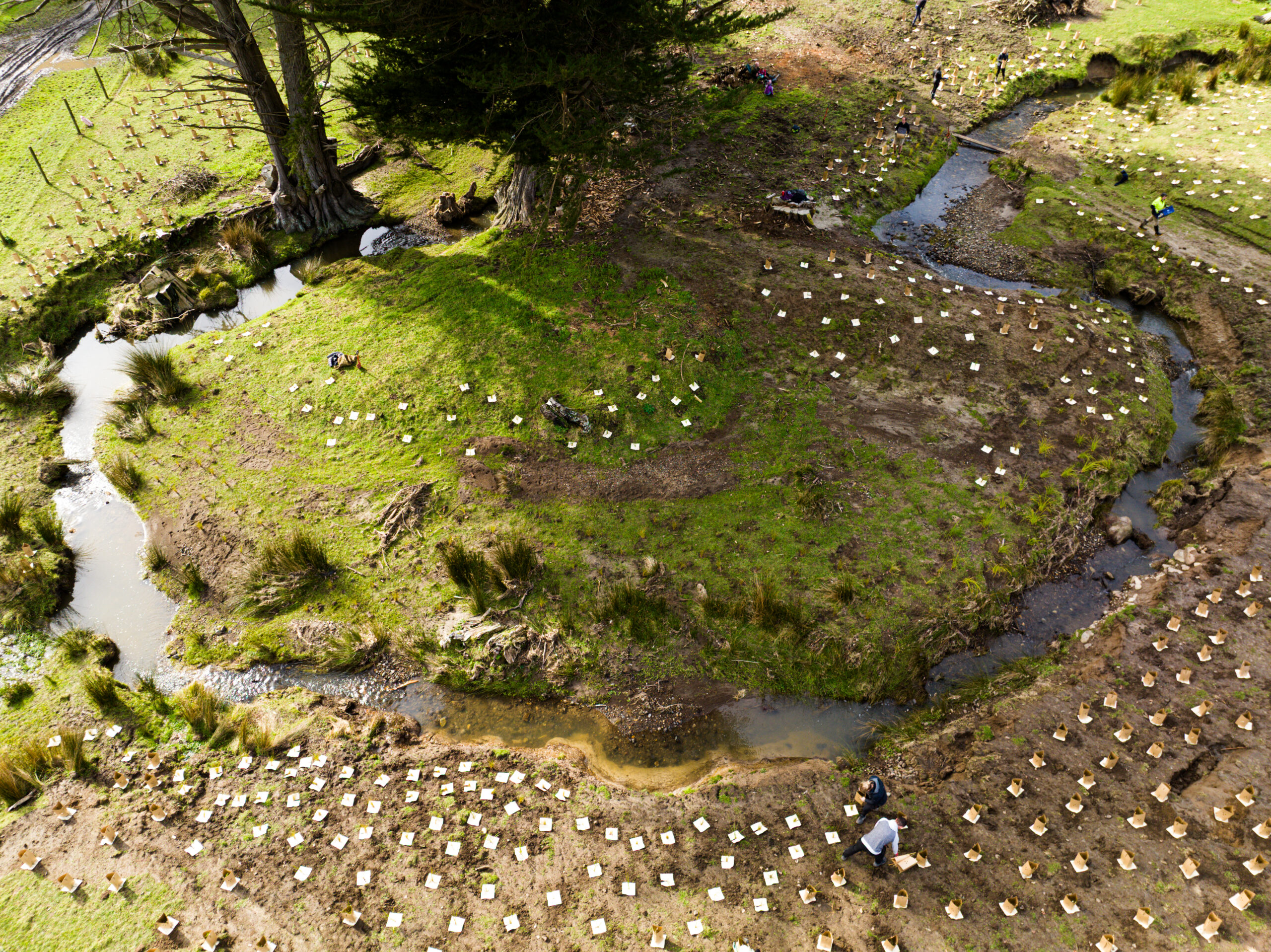
We didn’t set out to protect the Banks Peninsula caddisfly. In fact, we didn’t even know it was living here.
Through environmental DNA (eDNA) monitoring of our streams, we discovered that this nationally endangered species was present in our upper catchments.
It was an exciting finding, but it also highlighted something we’ve long believed about conservation: when we work to restore healthy ecosystems, we benefit all sorts of species, including those we might not even know are there.
Our environmental work has always taken a wider view of the landscape. From planting native vegetation and controlling predators to protecting streams and restoring habitats, we’re working towards a healthier environment for both people and nature.
And sometimes, as we’ve discovered, even the smallest creatures can have a big story to tell.
International recognition for practical conservation
The Chairman’s Award is a special distinction recognising conservation projects that particularly impress the Fund’s international Advisory Board.
Professor Axel Hochkirch, Head of Conservation Biology at Luxembourg’s National Museum of Natural History and Co-Chair of the IUCN SSC Invertebrate Conservation Committee, personally nominated our project.
He explained that what stood out was our focus on practical conservation action on the ground, rather than simply studying threatened species.
For a charity like Living Springs, receiving this recognition from international conservation experts is incredibly encouraging.
The award provides US$25,000 towards a three-year project to improve freshwater habitat through native planting, erosion reduction and monitoring.
Looking after the land, from the summit to the sea
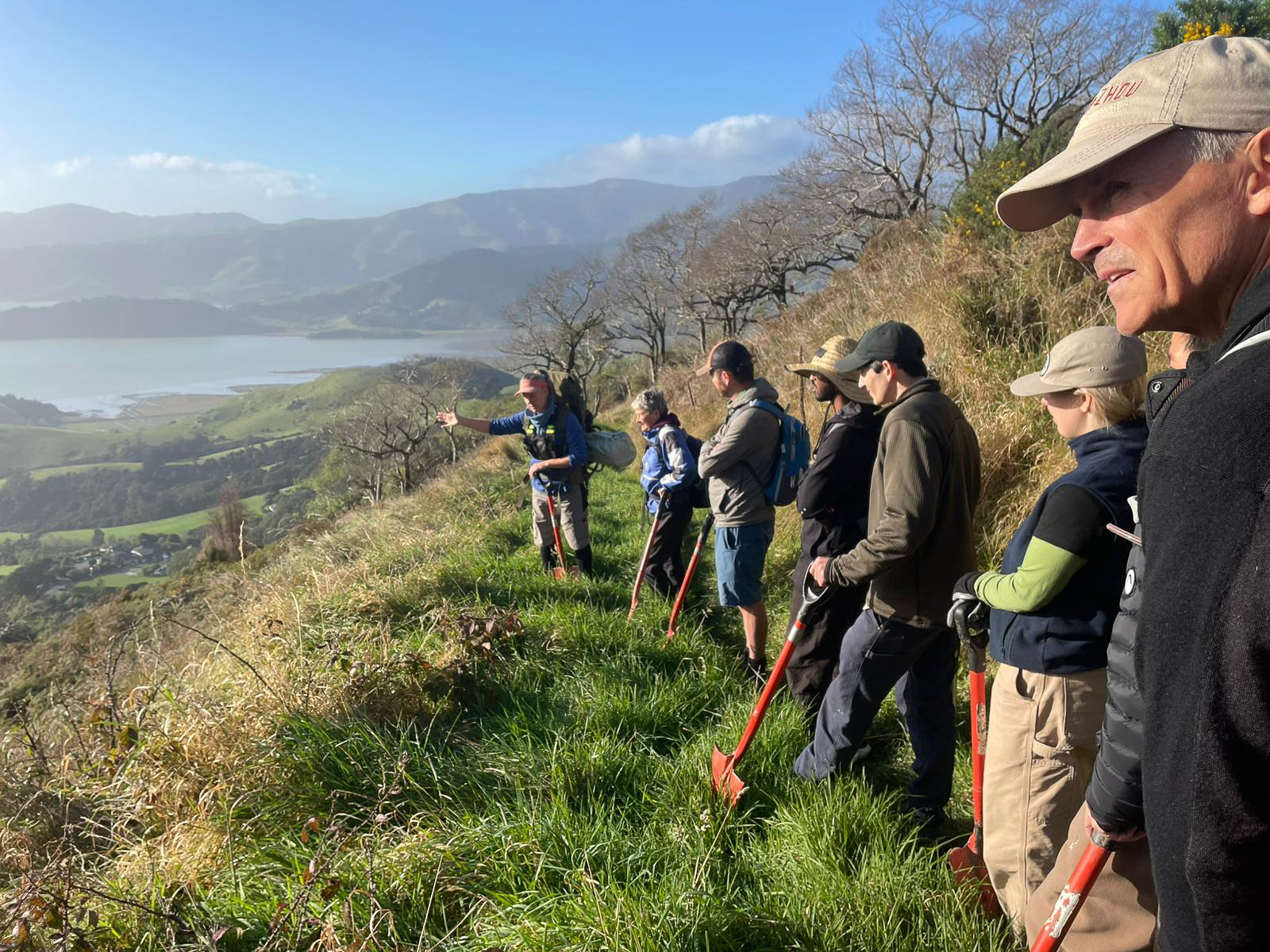
Volunteers helping restore the landscape at Living Springs, overlooking Whakaraupō Lyttelton Harbour.
Living Springs covers around 350 hectares of steep land overlooking Whakaraupō Lyttelton Harbour.
What happens on our hillsides affects what happens in our streams. During heavy rainfall, erosion can wash sediment into waterways, affecting the habitats of freshwater species.
By restoring native vegetation along streams and on erosion-prone land, we can help stabilise the soil, protect water quality and create healthier habitats for the caddisfly and many other native species.
This work is part of our wider environmental restoration programme, supported by our staff, volunteers, neighbouring landowners and conservation partners.
A camp within an eco-sanctuary
The award comes at an exciting time for Living Springs as we work towards our vision of establishing a fenced ecosanctuary, potentially covering up to 220 hectares.
Our vision is to create a camp within a sanctuary, a place where people and nature can thrive together.
We want children and adults to experience the natural world, participate in conservation and develop a deeper connection with the environment around them.
While we’re excited about the possibility of eventually reintroducing iconic native species such as kiwi and kākā, our little Banks Peninsula caddisfly is a wonderful reminder that a healthy ecosystem is about much more than the wildlife we can easily see.
It’s about protecting the whole environment, from the largest trees to the smallest creatures.
And we’re thrilled that this work has now received international recognition.
Watch: How a tiny caddisfly led to an international award
Our Environmental Team Lead, Grant Whitehead, explains how eDNA monitoring revealed the presence of the endangered Banks Peninsula caddisfly and where the story began.